
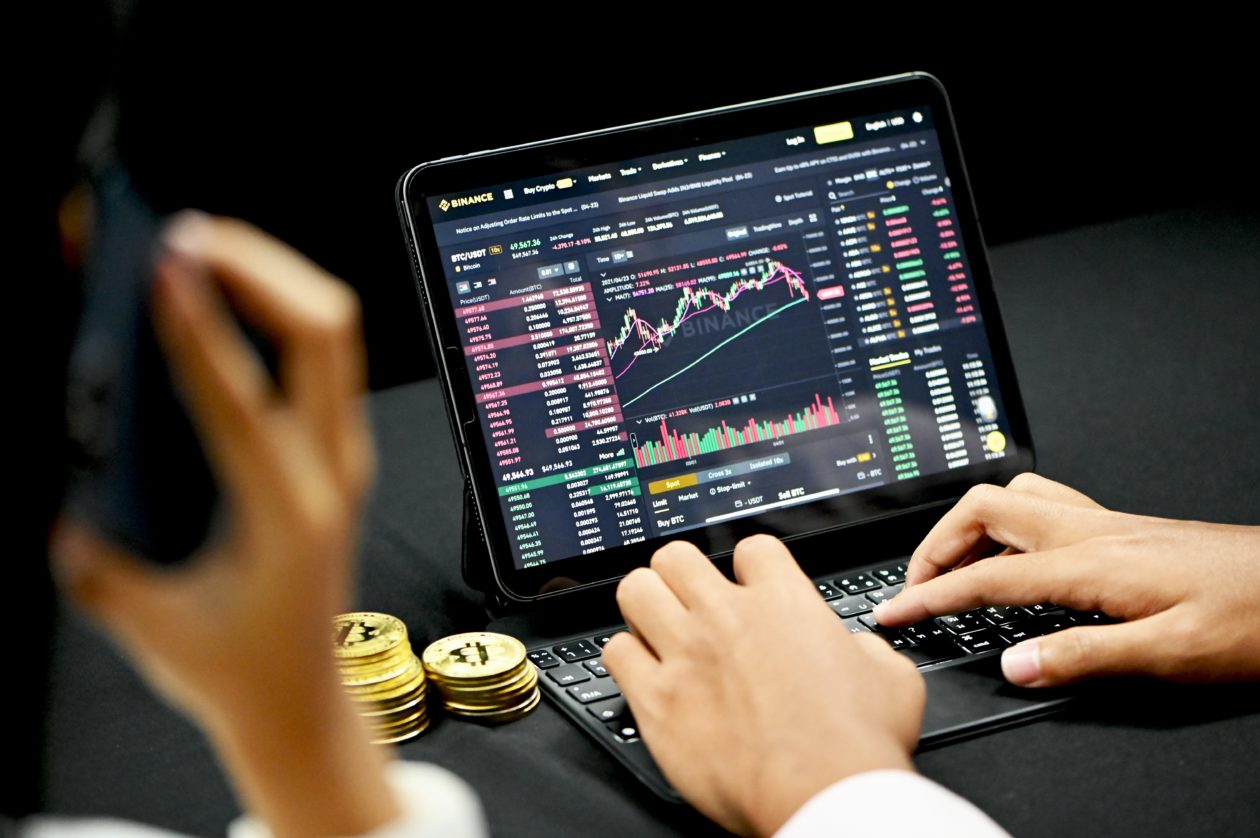
Crypto trading can be rewarding, but it also exposes traders to rapid price swings and unpredictable market conditions. Unlike traditional financial markets, cryptocurrency operates continuously and reacts quickly to news, sentiment, and liquidity shifts. Managing risk is essential for protecting capital and staying consistent over time.
This guide explains practical risk management strategies every crypto trader should understand, whether trading occasionally or actively participating in markets.
Why Risk Management Matters in Crypto Trading
Many traders focus only on profits and ignore risk control. However, long-term success depends more on protecting capital than chasing gains.
Strong risk management helps traders:
- survive market volatility
- avoid large unexpected losses
- trade with confidence
- maintain consistent strategies
Capital preservation always comes first 📊.
Use Position Sizing to Protect Your Capital
Position sizing means deciding how much money to risk on each trade.
Instead of committing large amounts to a single trade, disciplined traders:
- risk a small percentage per trade
- spread exposure across multiple opportunities
- adjust trade size based on volatility
A common guideline used by experienced traders:
- risk only 1% to 3% of trading capital per trade
This approach prevents one mistake from damaging the entire portfolio.
Always Set Stop-Loss Levels
A stop-loss order automatically closes a trade when price reaches a predefined level.
Benefits include:
- limiting downside losses
- reducing emotional decision-making
- protecting trading discipline
- improving long-term consistency
Traders typically place stop-loss levels:
- below support zones
- near invalidation points
- based on volatility ranges
Planning exits before entering a trade improves control.
Avoid Overtrading
Overtrading is one of the fastest ways to lose capital in crypto markets.
It often happens when traders:
- react to every price movement
- chase short-term opportunities
- trade without clear setups
- try to recover losses quickly
Successful traders focus on quality trades rather than quantity.
Fewer trades often produce better results.
Diversify Across Assets
Putting all trading capital into one cryptocurrency increases risk significantly.
Instead, traders often distribute exposure across:
- major cryptocurrencies
- mid-cap digital assets
- stable assets for liquidity balance
Diversification reduces the impact of unexpected price swings in a single asset.
Control Leverage Carefully
Leverage allows traders to control larger positions with smaller capital. However, it increases both profits and losses.
High leverage can:
- amplify volatility exposure
- trigger liquidation quickly
- increase emotional pressure
Many experienced traders use leverage conservatively or avoid it entirely.
Lower leverage usually supports better long-term performance 📉.
Follow a Trading Plan
Trading without a plan often leads to inconsistent results.
A structured trading plan typically defines:
- entry conditions
- exit strategy
- stop-loss placement
- position size rules
- profit-taking targets
Planning trades in advance improves discipline and reduces impulsive decisions.
Keep Emotions Out of Trading Decisions
Emotional trading creates avoidable losses.
Common emotional reactions include:
- fear during market drops
- excitement during rallies
- frustration after losses
- overconfidence after wins
Experienced traders rely on strategy rather than short-term feelings.
Consistency beats reaction-based trading.
Maintain a Trading Journal
A trading journal helps track performance and improve decision-making over time.
Useful journal entries include:
- entry price and exit price
- trade reasoning
- market conditions
- emotional state during trade
- lessons learned afterward
Reviewing past trades reveals patterns that improve future strategy.
Protect Your Trading Accounts
Security plays a critical role in risk management.
Traders reduce risk by:
- enabling two-factor authentication
- using strong passwords
- avoiding unknown trading platforms
- storing unused funds in secure wallets
Account protection prevents avoidable losses 🔐.
Avoid Investing Money You Cannot Afford to Lose
Crypto trading carries inherent uncertainty.
Responsible traders:
- separate trading capital from essential savings
- avoid borrowing funds for trading
- maintain emergency reserves outside crypto markets
Financial stability supports better decision-making.
Review and Adjust Strategy Regularly
Markets evolve quickly. Strategies that worked last year may not work today.
Regular reviews help traders:
- adapt to volatility changes
- adjust position sizing
- refine entry signals
- improve risk tolerance alignment
Flexible strategies perform better across different market cycles.
FAQ: How to Manage Risk in Crypto Trading
1. What is the safest percentage of capital to risk per trade?
Many disciplined traders risk between 1% and 3% of total trading capital per trade to reduce large losses.
2. Should beginners use leverage in crypto trading?
Most beginners avoid leverage until they fully understand market behavior and risk exposure.
3. How often should stop-loss levels be adjusted?
Stop-loss adjustments usually depend on price movement, volatility shifts, and updated market structure.
4. Can diversification reduce trading losses completely?
Diversification reduces exposure risk but cannot eliminate losses entirely.
5. Is short-term trading riskier than long-term investing?
Short-term trading generally involves higher decision frequency and volatility exposure compared to long-term strategies.
6. Do professional traders experience losses regularly?
Yes. Even experienced traders accept small losses as part of disciplined strategy execution.
7. How long does it take to become consistent in crypto trading?
Consistency depends on learning speed, experience level, and strategy discipline, but improvement usually develops gradually over time.
