
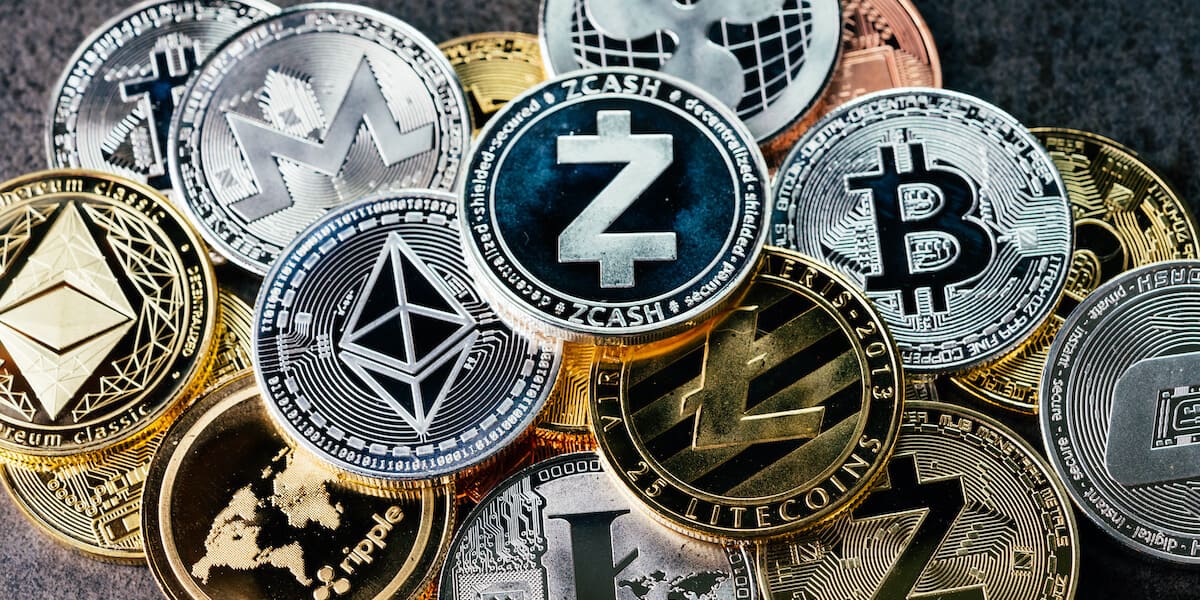
Cryptocurrency offers exciting opportunities, but it also comes with risks that every beginner should understand before investing. Unlike traditional financial markets, crypto operates in a fast-moving and still-developing environment. Learning the risks early helps investors make smarter decisions and avoid costly mistakes.
This guide explains the most important cryptocurrency risks new investors should know, along with practical ways to manage them responsibly 📊.
Market Volatility Risk
One of the most noticeable risks in cryptocurrency investing is price volatility.
Crypto prices can:
- rise quickly within days
- fall sharply without warning
- react strongly to global events
- change based on investor sentiment
Unlike traditional assets, large price swings are common and expected in crypto markets.
Smart investors manage volatility by:
- investing gradually
- avoiding emotional decisions
- maintaining long-term perspectives
Understanding volatility helps reduce panic during market downturns.
Regulatory Uncertainty
Cryptocurrency regulations vary widely across countries and continue evolving.
This uncertainty can affect:
- exchange operations
- taxation policies
- investment accessibility
- legal protections for investors
Governments are still developing frameworks for digital assets, which means rules may change over time.
Staying informed about local regulations is essential for responsible participation.
Security Risks and Cyber Threats
Security is one of the most important responsibilities for cryptocurrency investors.
Unlike bank accounts:
- transactions cannot be reversed
- lost private keys cannot be recovered
- stolen funds are difficult to trace
Common security threats include:
- phishing attacks
- fake investment platforms
- malicious wallet software
- compromised exchange accounts
Using strong security practices significantly reduces these risks 🔐.
Lack of Consumer Protection
Traditional financial systems often provide fraud protection and dispute resolution support. Cryptocurrency systems usually do not.
This means:
- mistaken transfers cannot be reversed
- unauthorized transactions may be permanent
- recovery options are limited
New investors should always double-check transaction details before sending funds.
Scams and Fraudulent Projects
The rapid growth of cryptocurrency markets has attracted both innovation and fraud.
Common scams include:
- fake giveaways
- impersonation accounts
- pump-and-dump schemes
- unrealistic return promises
If an investment opportunity sounds too good to be true, it usually is.
Careful research helps avoid most scam-related losses.
Technology and Platform Risks
Cryptocurrency depends on digital infrastructure that can occasionally fail or experience disruptions.
Examples include:
- exchange outages during high volatility
- software vulnerabilities
- wallet compatibility issues
- blockchain network congestion
Choosing reputable platforms reduces exposure to these technical risks.
Liquidity Risk in Smaller Cryptocurrencies
Not all cryptocurrencies have strong trading activity.
Lower liquidity can lead to:
- difficulty selling assets quickly
- large price gaps during trades
- higher trading costs
Beginners often reduce this risk by focusing on well-established cryptocurrencies first.
Emotional Decision-Making Risk
Emotions can strongly influence investment behavior, especially in volatile markets.
Common psychological mistakes include:
- buying during hype-driven rallies
- selling during panic-driven declines
- reacting to social media speculation
- following crowd behavior blindly
Successful investors rely on strategy instead of impulse.
Private Key Management Risk
Cryptocurrency ownership depends on private key access.
If private keys are:
- lost
- stolen
- shared accidentally
the funds may become permanently inaccessible.
Safe storage practices include:
- hardware wallets
- secure backups
- offline storage methods
Proper key management is essential for long-term safety.
Overexposure Risk
Investing too much money into cryptocurrency increases financial vulnerability during market downturns.
Balanced investors typically:
- diversify across asset classes
- invest only what they can afford to hold long term
- avoid concentrating savings in one asset
Maintaining balance protects financial stability.
Why Understanding Risk Improves Investment Success
Risk awareness does not discourage investment—it improves decision quality.
Prepared investors:
- recognize warning signs earlier
- avoid common beginner mistakes
- protect long-term capital
- stay confident during volatility
Knowledge is one of the strongest investment tools available 📘.
FAQ: Cryptocurrency Risks Explained for New Investors
1. Can cryptocurrency investments lose value completely?
Yes. Some smaller or poorly designed cryptocurrencies may lose most or all of their value over time.
2. Are hardware wallets safer than exchange wallets?
Hardware wallets generally offer stronger protection because they store private keys offline.
3. Is cryptocurrency riskier than stock market investing?
Cryptocurrency typically involves higher volatility, especially for newer digital assets.
4. How can beginners identify trustworthy crypto projects?
Investors usually review development activity, transparency, adoption levels, and community reputation before investing.
5. Are long-term crypto investments safer than short-term trading?
Long-term strategies often reduce emotional trading risks, though price volatility still exists.
6. Can hackers access cryptocurrency stored on exchanges?
Yes. Exchanges can be targeted by cyberattacks, which is why many investors move funds to private wallets after purchase.
7. Does diversification reduce cryptocurrency investment risk?
Yes. Holding different asset types instead of relying only on cryptocurrency helps improve overall portfolio stability.
