
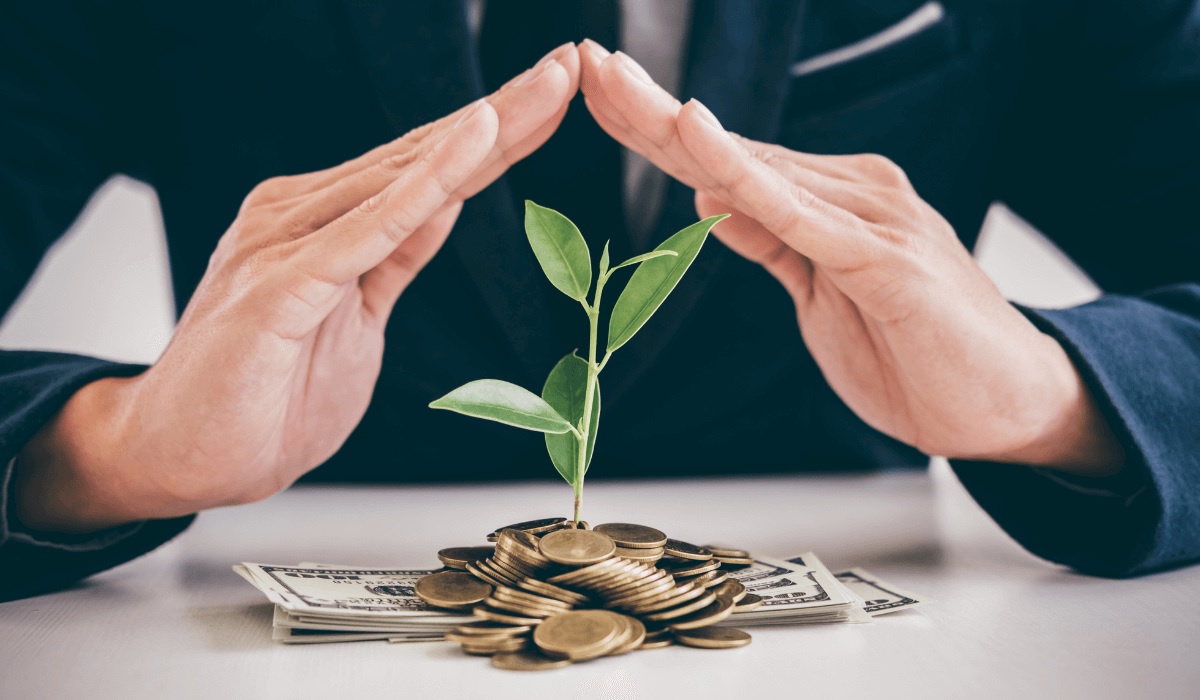
Introduction: Investment as a Reflection of Character
Investment is not simply an exercise in chasing returns; it is a profound expression of discipline, patience, and informed optimism. At its best, investing transforms money into a working partner that labours silently in the background, building security, enabling dreams, and safeguarding legacies. To invest well is to accept that wealth is not conjured overnight but cultivated thoughtfully over years — sometimes decades.
The Foundations: What Makes a Sound Investment
Before one ventures into the world of markets and assets, it is essential to understand what constitutes a sound investment. A wise investment aligns with your goals, suits your risk appetite, and grows in value or generates income over time. It should be based on solid reasoning rather than speculation.
The classic pillars of investment include
Equities
Ownership stakes in companies
Potential for capital appreciation and dividends
Historically high returns over the long term, though with higher volatility
Fixed Income
Includes government and corporate bonds
Steady, predictable interest payments
Lower risk, making it ideal for capital preservation and income
Real Estate
Physical property or land
Can generate rental income and appreciate in value
Requires significant capital and active management
Alternative Assets
Gold, commodities, private equity, collectibles
Often used to hedge against market swings
Typically less liquid and may carry higher risk
Diversification: The Investor’s Best Friend
Few principles in finance are as enduring as diversification. No investor can predict the future with certainty, but one can prepare for it by spreading risk. A diversified portfolio combines assets that respond differently to economic shifts, cushioning the impact of market downturns.
Why Diversify
Reduces exposure to any single asset’s performance
Smooths out returns over time
Balances risk and reward sensibly
A prudent investor diversifies not just across asset classes but also within them — for instance, holding domestic and international equities or mixing corporate and government bonds.
Investment Horizons: Time Shapes Strategy
Investment success is often less about what you buy and more about how long you hold it. Aligning investments with your timeline is fundamental.
Short-Term (1–3 Years)
Emergency funds, travel plans, or saving for a car
Prioritise liquidity and safety
Best vehicles: high-yield savings, short-term bonds, certificates of deposit
Medium-Term (3–10 Years)
Children’s education, starting a business, moving homes
Balance growth and capital preservation
Best vehicles: balanced mutual funds, a mix of stocks and bonds
Long-Term (10+ Years)
Retirement, generational wealth
Greater tolerance for risk allows for growth-focused assets
Best vehicles: equities, real estate, index funds
The Human Factor: Mastering Investment Psychology
Even the most sophisticated strategy can crumble if an investor’s emotions run unchecked. Investing is not just numbers on a screen; it is a psychological test that rewards calmness when storms hit.
Common Psychological Traps
Panic Selling
Markets dip and investors rush to exit, locking in losses rather than riding out the storm
Greed-Driven Chasing
Piling into trendy assets at their peak, often resulting in buying high and selling low
Herd Mentality
Following crowds rather than personal research, leading to bubbles and regret
Staying invested, rebalancing periodically, and resisting the urge to react impulsively are virtues that separate enduring investors from gamblers.
The Magic of Compounding: Time’s Silent Gift
Einstein may or may not have dubbed compound interest the eighth wonder of the world, but its effect is magical all the same. Compounding transforms modest sums into considerable wealth if left untouched to grow.
For example, investing $500 a month at an average annual return of 7% grows to over $600,000 in 30 years — not by magic, but by mathematics. The earlier one begins, the more one harnesses time’s multiplying effect.
Risk Appetite: Know Thyself
Investment is never one-size-fits-all. Understanding your risk tolerance is the bedrock of peace of mind. Age, income, obligations, and temperament all shape how much risk you can bear.
Questions to Ask Yourself
How would I feel if my portfolio dropped 20% overnight?
Am I investing for security, growth, or income?
Do I need access to this money soon?
These reflections guard against reckless decisions and help tailor a portfolio that fits your unique profile.
Modern Investment: Tools at Your Fingertips
Today’s investor stands at an unprecedented crossroads of information and access. Technology has broken down barriers that once favoured only the affluent or well-connected.
Modern Investment Avenues
Robo-Advisors
Automated platforms that craft and rebalance diversified portfolios for a modest fee
Exchange-Traded Funds (ETFs)
Low-cost, diversified exposure to entire markets or sectors with the click of a button
Direct Stock Purchase Plans
Buy shares directly from companies, often with reduced fees
Yet while technology simplifies execution, wisdom remains timeless. Learning the basics, verifying sources, and seeking professional advice when needed protect one from the pitfalls of financial fads.
Timeless Habits of Successful Investors
Build an emergency fund before investing heavily
Avoid high-interest debt which erodes returns
Invest consistently, regardless of market mood
Review performance but do not obsess over daily swings
Keep fees low — costs compound just like returns do
Conclusion: Investment as an Enduring Legacy
To invest wisely is to respect the delicate dance between risk and reward, between the present and the future. Great fortunes are rarely built in a single brilliant trade but through years of small, repeated acts of discipline.
In the final reckoning, investment is a craft — part science, part art, and entirely human. It reflects who we are and what we believe about tomorrow. Those who treat it with care, who plan, learn, and remain calm when others tremble, find themselves not only wealthier in money but in wisdom, resilience, and peace of mind.
So begin where you are, with what you have. Time is the secret ingredient. Let it work for you.
